
A world united against Sickle Cell Anemia: lessons from Africa
Posted on 2025-08-22 By : Dr. Gaurav Kharya
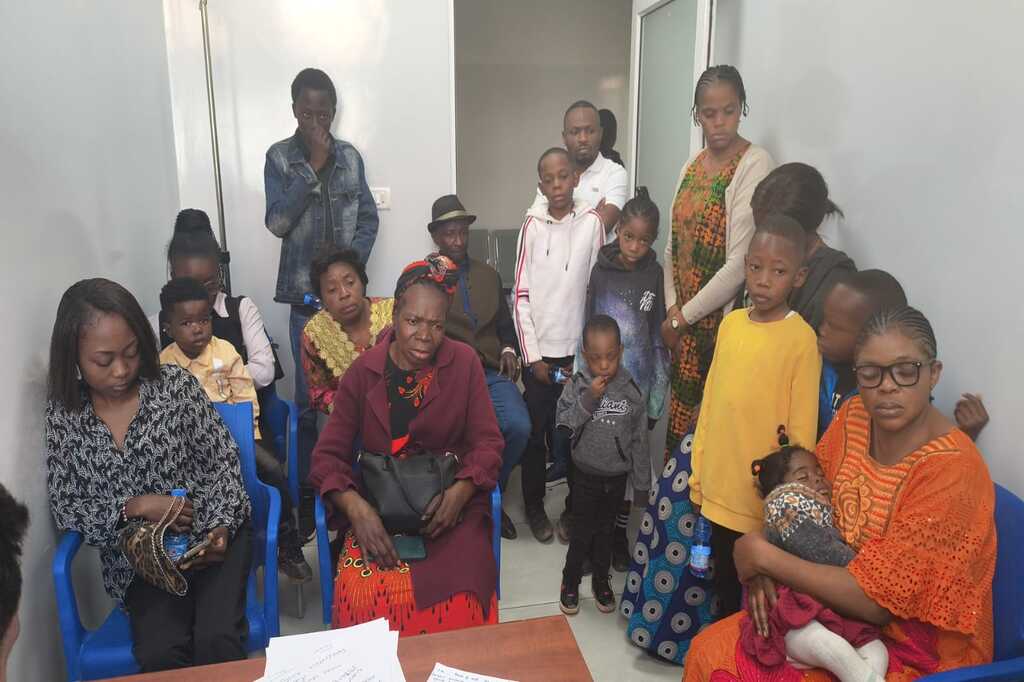
I have just returned from Africa, where my days were filled with conversations with children, young adults, and families living under the shadow of sickle cell anemia. What I saw there was more than just a health crisis — it was a human crisis. Mothers holding their children through yet another painful episode, teenagers missing school because fatigue made even walking a few steps unbearable, and families traveling hundreds of kilometers just to reach the nearest hospital in the hope of finding care.
Sickle cell anemia is not just a disease. It is a story of inequality, of lives interrupted, and of dreams delayed. And meeting these families in Africa, I was reminded once again that the fight against this condition cannot be the burden of one country or one continent. The world has to come together — united in science, in compassion, and in action — to eliminate sickle cell anemia.
Africa bears the greatest burden of sickle cell anemia. According to the World Health Organization, nearly 66% of the world’s sickle cell cases are found in sub-Saharan Africa. Every year, more than 300,000 babies are born worldwide with sickle cell disease, and about 75% of them are in Africa.
In some African countries, like Nigeria, it is estimated that 2–3% of newborns are affected — one of the highest rates in the world. Tragically, without proper diagnosis and care, 50–90% of children born with sickle cell disease in low-resource regions may not survive beyond the age of five.
What struck me most was the courage of families who, despite limited resources, continue to fight every single day — hoping for access to newer therapies, for bone marrow transplants, and now for the promise of gene therapies that could bring lasting cures.

A Global Responsibility
While Africa carries the heaviest burden, sickle cell anemia is not confined to one geography. Migration has made it a global challenge — communities in India, the Middle East, Europe, and North America are equally impacted. Yet, the stark contrast lies in survival and treatment outcomes.
In high-income countries, comprehensive newborn screening, antibiotics, vaccinations, and access to hydroxyurea have dramatically improved survival rates. In contrast, children in low-income regions, especially in Africa, are still dying from preventable complications.
This disparity is unacceptable. It is a reminder that global health must be rooted in equity. Sickle cell anemia should no longer be described as a "neglected disease." Instead, it should become a rallying point for international collaboration.
Uniting for a Cure
We are living in a time of unprecedented scientific progress. Bone marrow transplantation has already shown remarkable success in curing sickle cell patients. More recently, gene editing and gene therapy trials have raised the possibility of safer, accessible, and lasting cures.
But science alone cannot solve the problem. We need systems that make diagnosis universal, treatment affordable, and cures accessible.
This means building stronger partnerships between governments, NGOs, and private organizations, ensuring international funding to support newborn screening and treatment programs in Africa, creating public awareness campaigns to reduce stigma and encourage testing, and promoting shared innovation so that breakthroughs in the labs of Europe, America, and India can reach the villages of Africa without delay.
As I left Africa, the voices of the families I met stayed with me. They are not asking for miracles; they are asking for fairness. They are asking for a world where a child with sickle cell anemia in Lagos has the same chance to survive and thrive as a child in London.
Eliminating sickle cell anemia is no longer a dream — it is within our reach. But it demands that the world stands as one: scientists, doctors, policymakers, and communities united in purpose.
Sickle cell anemia is not just Africa’s problem—it’s a global challenge. Ending it will take a shared effort.